The Prestige Principle: How Anchor Estates Shape the Soul and Value of America's Most Coveted Neighborhoods
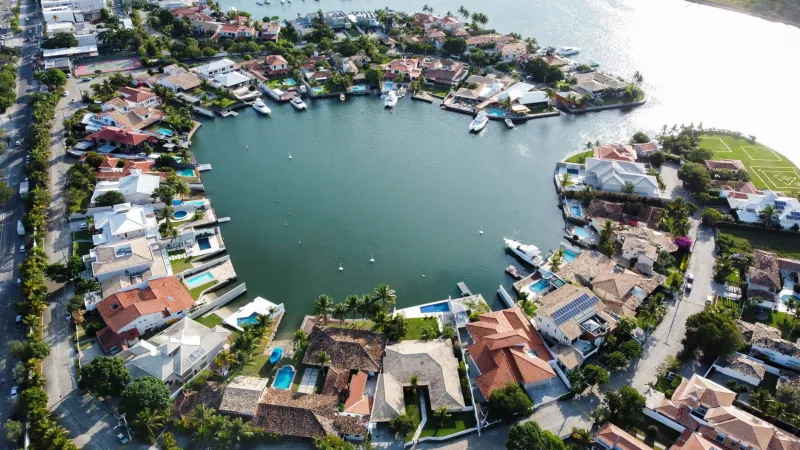
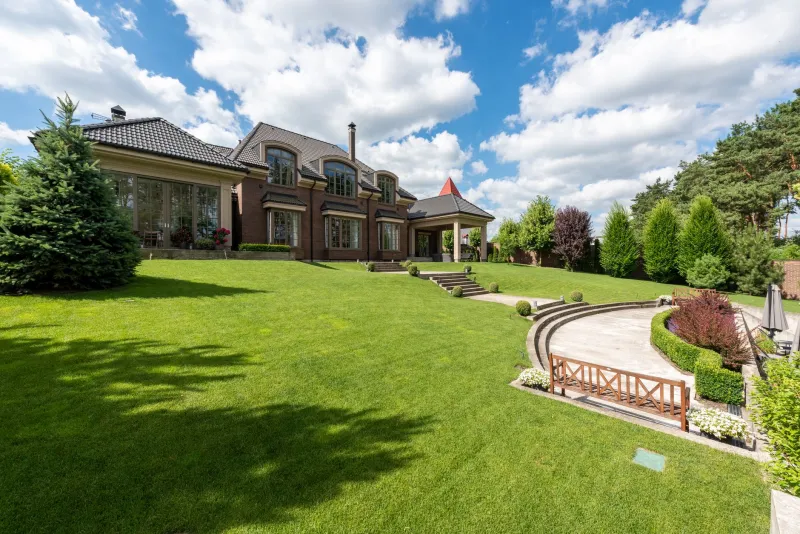
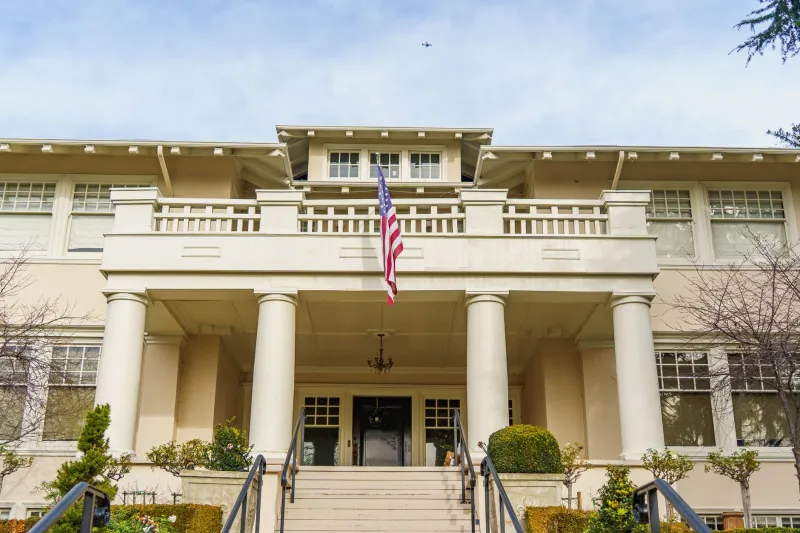
There is a particular kind of home that does more than shelter its owners. It sets a standard. It signals to every prospective buyer, every developer, and every long-term resident what a neighborhood aspires to be. These properties—referred to in real estate circles as anchor estates—are not simply the most expensive homes on a given street or lakefront. They are the defining monuments around which community character crystallizes, investment cycles accelerate, and intangible value accumulates for every surrounding parcel.
For those who study the geography of American luxury real estate carefully, the influence of anchor estates is one of the most consequential and least discussed forces shaping where wealth concentrates—and why certain communities hold their prestige across generations while others quietly decline.
What Makes an Estate an Anchor
The designation has nothing to do with square footage alone, nor is it simply a function of sale price. An anchor estate earns its status through a convergence of factors: architectural distinction that commands attention without demanding it, meticulous stewardship over time, a history of ownership by individuals who contribute meaningfully to local culture, and a physical presence that raises the visual and social standard of its surroundings.
In practice, anchor estates are the properties that neighbors reference when describing their community to outsiders. They are the homes that appear in architectural publications, that attract the attention of preservation organizations, and that serve as informal benchmarks when appraisers and agents attempt to establish value in otherwise difficult-to-quantify markets. Along the shores of Lake Tahoe, on the bluffs above Nantucket Harbor, or within the gated enclaves of Palm Beach, these estates function less like private residences and more like civic institutions—privately held, but publicly consequential.
The Ripple Effect on Surrounding Properties
The economic influence of a single prestige property on its neighbors is more measurable than many assume. Research consistently demonstrates that the sale of a landmark home at a record price for a given area creates an upward reappraisal effect that can extend for several blocks or several miles, depending on the density and character of the market. This phenomenon is particularly pronounced in lakefront and resort communities, where comparable sales are sparse and the psychological anchoring effect of a headline transaction carries extraordinary weight.
Beyond the appraisal mechanics, anchor estates attract a quality of neighbor that compounds their positive influence. When a property of genuine distinction changes hands at a significant price, it signals to other high-net-worth buyers that the community merits serious consideration. The arrival of one exceptional homeowner frequently precedes the arrival of others, triggering a virtuous cycle in which the neighborhood's overall caliber—and its market resilience—strengthens with each successive transaction.
Conversely, when an anchor estate falls into disrepair or is subdivided and diminished, the surrounding market often absorbs the reputational loss. The absence of a prestige anchor can leave a community without a clear identity, making it vulnerable to the kind of gradual value erosion that is difficult to reverse once it begins.
Architecture as Community Investment
One of the most enduring contributions an anchor estate makes to its surroundings is architectural. In communities where one or several exceptional homes establish a clear design vocabulary—whether that means a commitment to natural materials, a reverence for the landscape, or a standard of craftsmanship that resists shortcuts—neighboring properties tend to conform upward. Developers and individual homeowners alike are influenced, consciously or otherwise, by what they observe in the most admired homes nearby.
This architectural osmosis is visible in some of America's most celebrated residential enclaves. The shingled estates of the Hamptons have long shaped what buyers expect from new construction in that market. The stone and timber lodges of Montana's Yellowstone Club set a material standard that permeates the broader regional aesthetic. In each case, the most distinguished individual properties function as de facto design guides, elevating the collective presentation of the community and reinforcing the perception of value for every home within it.
For buyers considering a luxury acquisition, this dynamic carries a practical implication: the architectural ambitions of a neighborhood's most prominent estates are among the most reliable predictors of long-term value stability.
Cultural Stewardship and Social Gravity
The influence of anchor estates extends well beyond the physical and financial. In many of America's most distinguished communities, the families associated with landmark properties have historically served as cultural stewards—hosting charitable events, supporting local institutions, and setting a tone of civic engagement that attracts like-minded residents over time.
This social gravity is not incidental. Communities that develop a reputation for thoughtful, engaged ownership—where the most prominent estates are associated with families of genuine distinction rather than simply transactional wealth—tend to attract buyers who share those values. The result is a self-reinforcing culture of stewardship that makes the community more resilient to the boom-and-bust cycles that affect less cohesive markets.
For prospective buyers evaluating a luxury acquisition, understanding the ownership history of a neighborhood's anchor properties can reveal as much about a community's character as any market report. Who has owned the most distinguished homes? How have those properties been maintained and improved over time? What role have their owners played in local life? These questions yield insights that no price-per-square-foot analysis can provide.
Location Prestige Is Built, Not Born
Perhaps the most important insight that anchor estate dynamics offer to discerning buyers and investors is this: the prestige of a location is not simply a product of its geography, however beautiful that geography may be. It is constructed, incrementally and deliberately, by the quality of the homes and the character of the owners that a community attracts over time.
A lakefront setting is a gift of nature. But the difference between a lakefront community that commands generational loyalty and one that merely offers pleasant scenery lies almost entirely in the human decisions made about how to build, maintain, and inhabit its most significant properties. The estates that anchor a neighborhood's identity are the most tangible expression of those decisions—and their influence, positive or negative, radiates outward in ways that shape every property's value and every resident's experience.
For those who approach luxury real estate not simply as a transaction but as a long-term commitment to a place and a community, understanding the role of anchor estates is essential. The finest homes do not exist in isolation. They exist in relationship—to their neighbors, to their landscapes, and to the communities they help define. In that relationship lies much of what makes an exceptional property truly extraordinary.
At Villa du Lac, we believe that identifying and understanding these anchor dynamics is among the most valuable services we can offer to buyers and sellers navigating America's most distinguished residential markets. The right home, in the right community, is more than a residence. It is a position within a living, evolving ecosystem of value—one that rewards those who understand it.