Water as Inheritance: How America's Ultra-Wealthy Are Anchoring Dynasties to the Shoreline
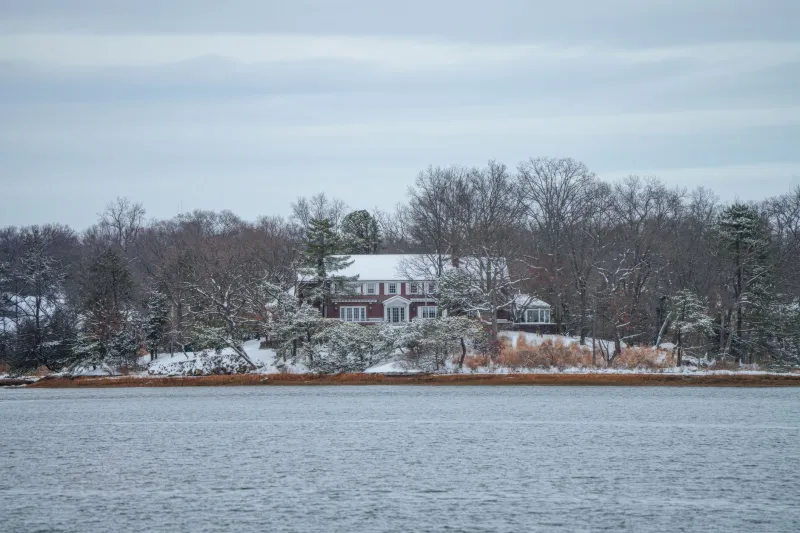
There is a particular quality of light that falls across a still lake at dawn — unhurried, clarifying, indifferent to the noise of the world beyond the tree line. It is precisely this quality, along with a constellation of financial, psychological, and strategic imperatives, that is drawing America's most accomplished families to the waterfront with unprecedented intentionality. What was once the domain of summer leisure has quietly transformed into one of the most sophisticated instruments of generational wealth architecture in the country.
The lakefront estate, once considered a secondary holding — a retreat appended to a primary urban residence — is increasingly occupying the center of gravity in the portfolios of ultra-high-net-worth families. The shift is neither accidental nor sentimental. It is, at its core, a calculated response to a convergence of market scarcity, natural asset appreciation, and the enduring human desire to anchor identity to place.
The Scarcity Premium: Why Shoreline Cannot Be Manufactured
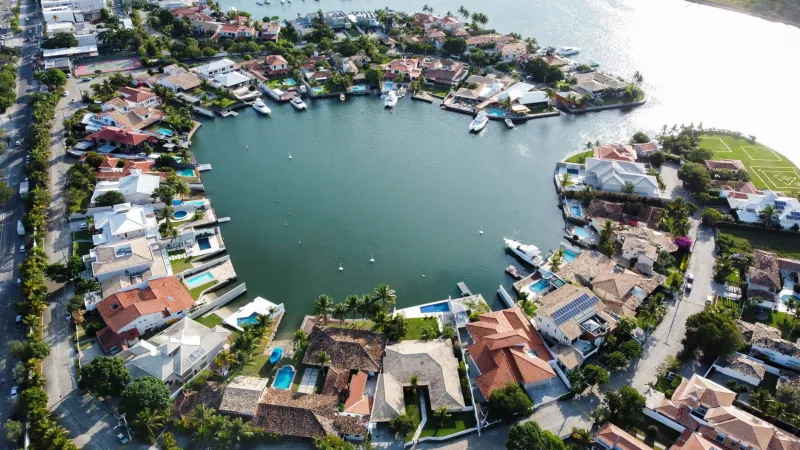
Unlike urban luxury condominiums or suburban estates, premium lakefront property operates within a fixed supply. No developer can extend a shoreline. No municipality can create additional feet of direct water frontage. This fundamental constraint — the geological finality of it — is precisely what makes lakefront acquisitions so compelling to families thinking in decades rather than quarters.
"Clients who have built significant wealth through business or finance understand scarcity better than most," observes one luxury real estate strategist who advises family offices on trophy property acquisitions across the Great Lakes and Rocky Mountain regions. "When they look at a private lake estate with a half-mile of unobstructed frontage, they are not simply purchasing a home. They are acquiring a position in an asset class that literally cannot be replicated."
The numbers support this perspective. According to aggregated data from premium waterfront markets — including Lake Tahoe, the Finger Lakes, Lake Geneva in Wisconsin, and the Adirondack Great Camps — direct lakefront properties have consistently outperformed comparable inland luxury homes over rolling ten-year periods, with appreciation rates frequently exceeding regional averages by fifteen to thirty percent in markets with stringent environmental protections limiting new development.
Environmental regulations, far from diminishing value, have become an unexpected ally for existing lakefront owners. Shoreline preservation statutes, riparian rights restrictions, and conservation easement frameworks effectively function as moats around established holdings, ensuring that the view, the water quality, and the ecological character that define a property's appeal remain protected in perpetuity.
The Identity Architecture of Place
Beyond financial calculus, there is a dimension of lakefront acquisition that resists reduction to spreadsheet logic. Families who build their legacies around a specific body of water are engaged in something more profound than asset accumulation — they are constructing a shared geography of memory and identity.
Consider the pattern observable among several prominent Midwestern industrial families who established their waterfront compounds on northern Michigan lakes in the early twentieth century. Generations later, those properties continue to serve as the gravitational center of family life: the place where cousins meet annually, where family governance conversations unfold against a backdrop of water and pine, where the values and narratives of the family are transmitted to children who will one day make their own decisions about stewardship.
"There is a reason that the most enduring family dynasties — in America and abroad — tend to be organized around a specific place," notes a family wealth consultant who works with multigenerational estates. "The lake house, when it is truly exceptional, becomes a character in the family's story. It provides continuity across generations in a way that a financial instrument simply cannot."
This psychological dimension is not lost on the architects and designers who work on significant lakefront estates. The most thoughtful residential projects at the water's edge are conceived not merely as structures, but as stage sets for generational life — spaces calibrated to accommodate the full arc of family experience, from the boisterous summers of childhood to the quieter reflections of later years.
Strategic Acquisition: How Family Offices Are Approaching the Waterfront
The sophistication with which ultra-wealthy families now approach lakefront acquisitions has increased markedly over the past decade. Where previous generations may have purchased on instinct — drawn by beauty, by recommendation, by opportunity — today's buyers frequently engage in structured acquisition processes that would not be unfamiliar to institutional real estate investors.
Family offices are commissioning comprehensive environmental assessments of target lakes before initiating offers, evaluating water quality trajectories, climate resilience projections, and the regulatory landscape governing future development by neighboring landowners. Due diligence now routinely extends to the cultural and reputational character of a lake community — the governance structures of local associations, the presence of compatible neighboring estates, and the long-term stewardship ethos of the surrounding region.
In one notable case in the Lake Champlain corridor, a family with significant technology wealth spent nearly eighteen months evaluating multiple lakefront properties before committing to a 340-acre estate with over a mile of private frontage. Their process included hydrological studies, consultations with environmental attorneys specializing in Vermont and New York riparian law, and detailed modeling of the property's projected value under various climate scenarios over a fifty-year horizon. The resulting acquisition, valued in the eight-figure range, was structured not as a personal asset but as a holding within a family LLC designed to facilitate seamless intergenerational transfer.
"This is the level of rigor that the most sophisticated families bring to these decisions," explains one advisor familiar with the transaction. "They are not buying a vacation home. They are making a dynasty-level commitment."
The Water-Centric Life: Designing for Generations
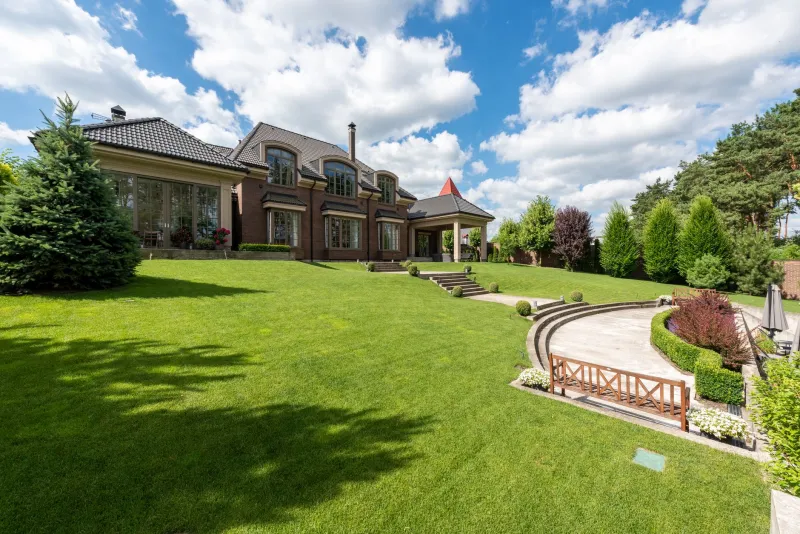
Once a lakefront estate is secured, the question of how to develop it for multigenerational use becomes paramount. The most thoughtful families approach this phase with the same intentionality they bring to the acquisition itself, commissioning estates designed to serve not merely the current generation's preferences but the as-yet-unarticulated needs of those who will inherit.
This often translates into compound-style planning: a primary residence complemented by guest cottages, boathouses with living quarters, and dedicated spaces for family gathering that can accommodate the full breadth of an extended family. Sustainability is increasingly central to these programs — not merely as an environmental gesture but as a practical expression of stewardship values the family wishes to model and transmit.
Waterfront estates in the most coveted American lake markets are also seeing significant investment in infrastructure that extends the usable season: geothermal heating systems, enclosed lakeside pavilions, and indoor-outdoor transition spaces that allow the relationship with water to persist through colder months.
The Enduring Proposition
At its most fundamental, the lakefront legacy is a proposition about permanence in an impermanent world. Markets fluctuate. Cities evolve. Technologies render industries obsolete. But a well-chosen body of water, held within a family's stewardship across generations, offers something that few assets can credibly promise: the possibility of constancy.
For the families who understand this — who have looked past the immediate appeal of the view to the deeper strategic logic of the shoreline — the lakefront estate is not an indulgence. It is the cornerstone upon which a dynasty is quietly, deliberately, and beautifully built.