The Case Against the Year-Round Lake House
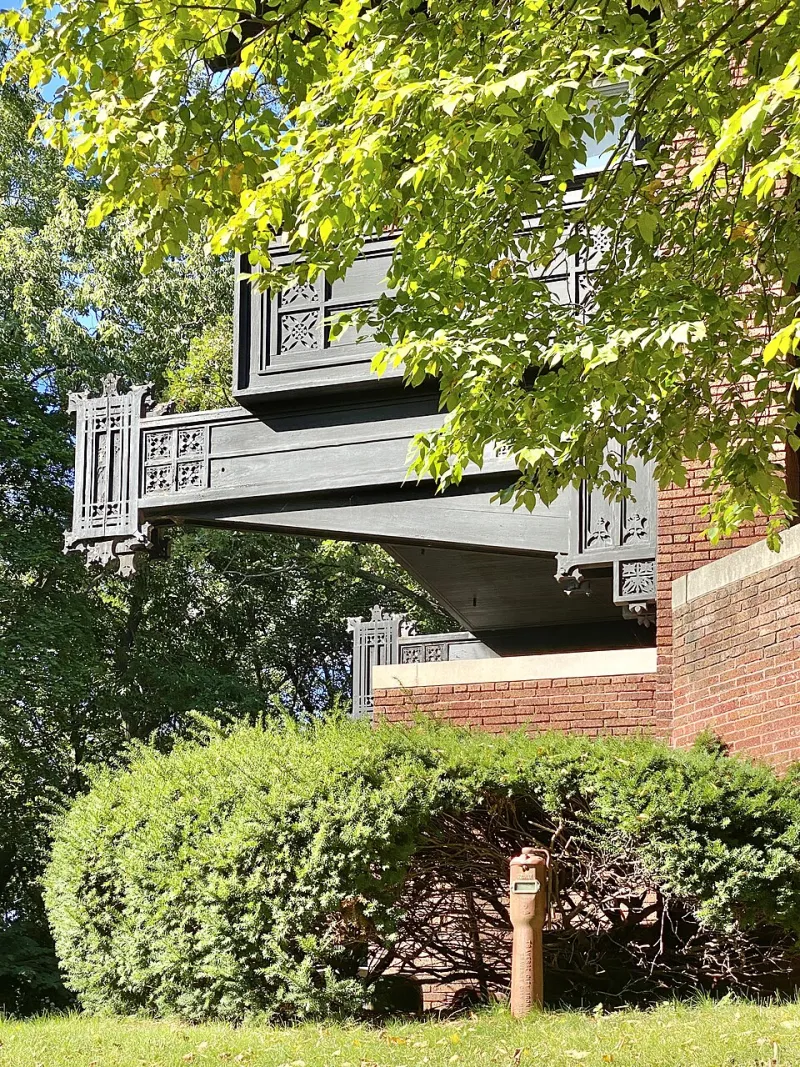
Photo: w_lemay, CC BY-SA 2.0, via Wikimedia Commons
Somewhere in the last decade, the lake house stopped being allowed to rest. Show every listing brochure, and you'll find the same incantation: four-season construction, year-round living, true all-weather capability. The message is clear — a serious estate doesn't hibernate.
We'd like to make the contrarian argument: for a great many buyers, the four-season estate is an expensive solution to a problem they don't have.
What Year-Round Actually Costs
Winterizing is no longer a matter of draining pipes and covering furniture. A genuinely four-season lake estate requires deeper foundations below frost line, enhanced insulation packages, heat-traced roofs and mechanicals, insulated boathouses, and snow-management infrastructure — all at a construction premium that experienced builders place at 15 to 25 percent over a comparable three-season structure.
Then comes the carrying cost. A house occupied twelve weeks a year but conditioned fifty-two weeks a year consumes heating, monitoring, maintenance, and property-care budgets all twelve months. Add climate volatility — ice storms, freeze-thaw cycles, the growing actuarial cost of insuring northern waterfronts in winter — and the four-season estate becomes a year-round employee that works one quarter of the time.
The Case for a House With a Season
There is a competing tradition, older and, we'd argue, wiser: the purpose-built summer estate. The great lake cottages of the early twentieth century — the Michigander camps, the Wisconsin boathouse compounds, the Adirondack great camps — were designed with total confidence for one season, and they produced some of the most beloved family places in American memory.
A seasonal retreat, honestly designed, enjoys real advantages:
- Simpler, lighter architecture. Screened porches instead of glass walls; breezeways instead of insulated corridors; rooms that breathe.
- Lower carrying costs. A properly closed-down seasonal house costs a fraction to maintain, monitor, and insure.
- A house that matches a life. If your family gathers in July, why pay February's bills?
The Honest Exception
None of this argues against four-season estates universally. For buyers relocating full-time, hosting winter holidays, or pursuing the growing shoulder-season lake culture — fall fishing, early-spring solitude — all-weather capability is genuinely worth its premium. Cold-climate design has also matured beautifully; the modern four-season estate can be a marvel.
But the decision should be made from the life you actually lead, not the spec sheet's ambition. Ask honestly: how many winters will we spend here? If the answer is zero, you are paying a six-figure premium to heat an empty, beautiful box.
The Richer Question
The four-season fallacy rests on a subtle error — the belief that a house's worth is measured by its availability. But the estates families remember are not the ones that were always open. They are the ones that were always anticipated. The screened porch that opens the same week every June. The dock that goes in on the same weekend. The closing ritual in October that everyone dreads and no one misses.
A house with a season is a house with a rhythm. For many families, that rhythm — not the frozen pipes they bravely endured — is the real luxury. Choose the estate that serves your calendar, not the one that flatters your ambition. The lake, after all, keeps its own seasons. There is no shame in a house that does the same.